Plants and species
Every garden, forest, and landscape tells a story written in the language of plants and species. Whether you’re selecting perennials for a border, identifying wildflowers on a nature walk, or understanding why certain plants thrive while others struggle, grasping the fundamentals of plant classification and species characteristics transforms you from a casual observer into a confident, informed gardener.
This comprehensive resource introduces the essential concepts behind plant taxonomy, species selection, and ecological relationships. You’ll discover how botanists organize the plant kingdom, why species diversity matters for healthy ecosystems, and how to match the right plants to your specific growing conditions. These foundational insights will empower every gardening decision you make.
Understanding Plant Classification and Taxonomy
Plant taxonomy might sound intimidating, but it’s simply the science of organizing plants into meaningful groups based on shared characteristics. This system helps gardeners, botanists, and enthusiasts communicate precisely about plants and predict their needs.
The hierarchy of plant names
Plants are classified from broad categories down to specific identities. The most important levels for gardeners are family, genus, and species. For example, a tomato belongs to the Solanaceae family (which includes peppers and potatoes), the genus Solanum, and the species lycopersicum. Understanding this hierarchy reveals relationships between plants—members of the same family often share growing requirements, pest vulnerabilities, and nutritional needs.
How scientific names work
Every plant has a two-part scientific name written in Latin: the genus (capitalized) followed by the species (lowercase), both italicized. Rosa rugosa, for instance, identifies a specific rose species. This binomial system eliminates confusion caused by regional common names—what one gardener calls “black-eyed Susan” might be an entirely different plant to someone in another region. Scientific names provide universal clarity.
Why cultivars matter
Within species, humans have selected plants with desirable traits, creating cultivars (cultivated varieties). These appear in single quotes after the species name: Rosa rugosa ‘Alba’ indicates a white-flowered cultivar. Cultivars often offer improvements like disease resistance, compact growth, or enhanced flowering, making them valuable choices for specific garden situations.
Native vs. Non-Native Species: Making Informed Choices
One of the most impactful decisions gardeners make involves choosing between native species and introduced plants. Each category offers distinct advantages, and understanding these differences helps you create functional, sustainable landscapes.
Native plants evolved in your region over thousands of years, developing relationships with local pollinators, adapting to regional rainfall patterns, and resisting indigenous pests. They typically require less water, fertilizer, and pesticide intervention once established. A native oak, for instance, might support hundreds of caterpillar species that feed local birds, while an exotic ornamental tree might support only a handful.
Non-native species, introduced from other regions, can bring valuable attributes: extended bloom periods, unique aesthetics, or edible yields unavailable from native plants. Many beloved garden plants—tomatoes, tulips, and roses in most regions—are non-native yet perform beautifully without ecological disruption. The key distinction lies between well-behaved introduced plants and invasive species that aggressively displace native vegetation, degrade habitats, and resist control efforts.
Selecting Species for Your Climate and Soil Conditions
Successful gardening begins with matching plant species to your specific growing environment. Even the most beautiful specimen will struggle if its fundamental needs clash with your site conditions.
Hardiness zones and temperature tolerance
Plants have evolved temperature thresholds beyond which they cannot survive. Hardiness zone maps divide regions based on average minimum winter temperatures, providing a starting point for species selection. A plant rated for zones colder than yours should survive winter, though summer heat tolerance matters equally. Mediterranean natives, for example, may tolerate cold winters but fail in humid, hot summers.
Soil type and pH requirements
Species have distinct soil preferences shaped by their native habitats. Blueberries demand acidic soil (pH 4.5-5.5) because they evolved in acidic peatlands, while lavender thrives in alkaline conditions reminiscent of Mediterranean hillsides. Clay-tolerant species like coneflowers handle heavy, moisture-retentive soils, whereas alpine plants require sharp drainage. Testing your soil and selecting compatible species prevents years of frustration.
Light and moisture needs
A woodland wildflower evolved for dappled shade will scorch in full sun; a prairie species adapted to bright light will stretch and weaken in shade. Similarly, drought-tolerant species from arid regions develop root rot in constantly moist soil, while moisture-loving species wilt in dry conditions. Observing what thrives in similar gardens nearby provides valuable clues about which species match your microclimate.
Why Biodiversity and Species Diversity Matter
Gardens aren’t isolated islands—they’re part of larger ecological networks. The diversity of plant species you cultivate ripples outward, influencing wildlife populations, soil health, and ecosystem resilience.
Monocultures—landscapes dominated by one or few species—create vulnerability. When a pest or disease strikes, it spreads rapidly through genetically similar hosts. The infamous potato blight that caused famine resulted partly from reliance on limited potato varieties. In contrast, diverse plantings provide insurance: if one species fails, others continue thriving. Different species bloom at staggered times, providing continuous resources for pollinators throughout the season rather than brief abundance followed by scarcity.
Diverse plant communities also build healthier soil ecosystems. Different root structures access nutrients at varying depths; diverse leaf types create varied mulch that feeds different decomposer organisms. Some species fix atmospheric nitrogen, others accumulate minerals—together, they create fertility that benefits the entire garden. This principle, observed in natural ecosystems from prairies to forests, can be intentionally cultivated in home landscapes.
Annual, Perennial, and Biennial Life Cycles
Understanding plant life cycles helps you plan gardens that deliver consistent performance and manage maintenance expectations appropriately.
Annuals complete their entire life cycle—germination, growth, flowering, seed production, and death—within a single growing season. They invest tremendous energy into prolific flowering, making them champions of continuous color. However, they require replanting each year. Zinnias, marigolds, and basil exemplify this strategy: intense but temporary.
Perennials persist for multiple years, developing extensive root systems that enable them to survive winter dormancy and resprout. While their first-year flowering may disappoint, mature perennials often surpass annuals in bloom quantity. They represent long-term investments—peonies, for instance, can thrive for decades, improving annually. Many perennials have defined bloom periods rather than season-long flowers, requiring thoughtful combinations for continuous interest.
Biennials follow a two-year cycle: first-year plants produce only foliage, storing energy in roots; second-year plants flower, set seed, and die. Foxgloves, hollyhocks, and parsley demonstrate this pattern. Once established, biennial populations often self-sow, creating the illusion of perennial performance as new seedlings replace flowering plants.
Identifying Plant Species in Your Garden and Beyond
The ability to identify plants unlocks deeper understanding of your landscape, helps you research specific care requirements, and enriches every outdoor experience.
Key identification features
Botanists examine multiple characteristics to identify species accurately. Leaf arrangement (opposite, alternate, or whorled), leaf shape (simple or compound), and leaf margins (smooth, toothed, or lobed) provide crucial clues. Flower structure—petal number, arrangement, and color—narrows possibilities further. Bark texture, growth habit, and fruiting characteristics complete the picture. Even in winter, distinctive features like bud arrangement and bark patterns enable identification.
Using field guides and apps
Traditional field guides organized by flower color or leaf type remain valuable tools, teaching observation skills as you navigate identification keys. Modern apps using image recognition technology offer faster results but sometimes sacrifice accuracy. The most effective approach combines both: apps for quick preliminary identification, followed by detailed guide confirmation. Regularly practicing identification builds pattern recognition that eventually allows instant recognition of common species.
Keeping garden records
Documenting what you plant, where you plant it, and how each species performs creates an invaluable personalized reference. Note bloom times, growth rates, pest issues, and companion plant successes. Over seasons, these records reveal patterns—which species thrive in your microclimate, which combinations work aesthetically and ecologically, and which cultivars deliver on their promises. This empirical knowledge, earned through direct experience, surpasses any generic advice.
Understanding plants and species represents far more than academic knowledge—it’s the foundation for creating beautiful, productive, resilient gardens that support broader ecological health. Whether you’re choosing your first perennials or refining a mature landscape, these principles guide informed decisions that respect both your aesthetic vision and the ecological relationships that sustain vibrant plant communities.
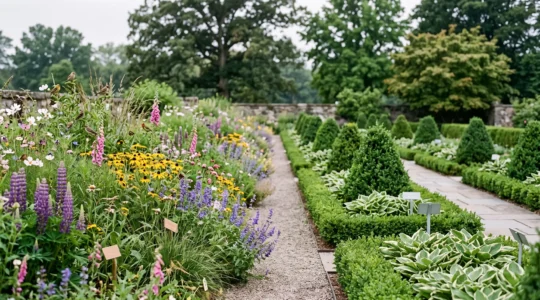
Why Indigenous Flora Supports 50% More Wildlife Than Exotics?
The greatest impact on wildlife comes not from planting any native, but from choosing the hyper-specific, locally-evolved plants that power the entire food web. Specialist insects, like caterpillars, often can only eat plants they co-evolved with, making them the foundation…
Read more
Winter Garden Architecture: 3 Ways to Use Deciduous Shrubs for Structural Beauty
The secret to a stunning winter garden isn’t finding rare plants, but mastering the art of the ‘winter skeleton’—the beautiful, bare structure of common deciduous shrubs. Vibrant stem colour is achieved through specific pruning techniques like coppicing, not just plant…
Read more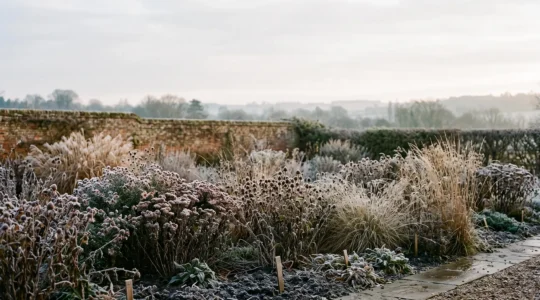
Stop Replacing Rotting Plants: Which Perennial Roots Best Survive a Wet British Winter?
In summary: The key to perennial survival in wet winters isn’t just plant choice; it’s managing the underground root environment. Allowing foliage to die back naturally is crucial for storing energy in the roots for winter. Proper mulching and drainage…
Read more