Gardening and landscaping
Gardening and landscaping represent far more than simply placing plants in soil. They form an intricate dialogue between humans and nature, where scientific understanding meets creative expression. Whether you’re nurturing a small balcony herb garden or transforming an entire yard, the fundamental principles remain surprisingly consistent: healthy soil feeds healthy plants, thoughtful design creates lasting beauty, and regular maintenance preserves your investment of time and resources.
This comprehensive resource will guide you through the essential knowledge every gardener and landscape enthusiast needs. From understanding what lies beneath your feet to mastering the visual principles that turn ordinary spaces into extraordinary outdoor rooms, you’ll discover why some gardens thrive while others struggle, and how to position yourself firmly in the first category.
The journey from bare ground to flourishing landscape follows predictable stages, each building upon the last. By understanding these foundational concepts, you’ll make informed decisions that save money, reduce frustration, and create outdoor spaces that bring joy for years to come.
Understanding Your Soil: The Foundation of Every Garden
Before a single seed enters the ground or transplant leaves its nursery pot, successful gardeners invest time in understanding their soil. This living ecosystem beneath the surface determines approximately 70-80% of your gardening success, yet beginners frequently overlook it in their eagerness to see visible growth.
Soil Composition and Structure
Garden soil comprises three primary mineral components: sand, silt, and clay. The proportions of these elements determine your soil’s texture, which directly affects water retention, nutrient availability, and root penetration. Sandy soils drain quickly but hold few nutrients. Clay soils retain moisture and nutrients but can suffocate roots when waterlogged. The ideal loam balances all three components, creating a structure that both drains and retains appropriately.
The Living Soil Ecosystem
Healthy soil teams with microscopic life. A single tablespoon contains more organisms than there are people on Earth. These bacteria, fungi, protozoa, and nematodes break down organic matter, fix nitrogen, suppress diseases, and create the very structure that allows roots to explore and expand. When you feed your soil with compost and organic matter, you’re not directly feeding plants—you’re nurturing this invisible workforce that does the actual feeding.
Testing and Amending Your Soil
Simple soil tests reveal pH levels and nutrient deficiencies that visual inspection cannot detect. Most vegetables and ornamental plants prefer a pH between 6.0 and 7.0, though some species like blueberries and azaleas thrive in acidic conditions. Rather than fighting your native soil chemistry, you can either amend it gradually with targeted materials or choose plants naturally suited to your existing conditions.
Planning Your Garden Layout: From Vision to Reality
A garden plan transforms scattered ideas into a coherent design that considers sunlight patterns, water access, traffic flow, and how spaces will be used throughout the seasons. Professional landscapers spend considerably more time planning than planting, and this ratio serves home gardeners equally well.
Begin by observing your space throughout an entire day, noting where sunlight falls during morning, midday, and evening hours. Six hours of direct sunlight defines the threshold between full sun and partial shade—a distinction that determines which plants will flourish in each location. Consider existing structures, trees, and neighbors’ buildings that cast shadows across your property.
Sketch your space on graph paper or use digital planning tools, marking permanent features like buildings, driveways, and established trees. Then layer in desired elements: vegetable beds, flower borders, seating areas, paths, and utility zones. This bird’s-eye perspective reveals spatial relationships and potential conflicts before you’ve invested physical effort.
Choosing the Right Plants for Your Climate and Conditions
Plant selection represents the pivotal decision point where gardening dreams either align with reality or court disappointment. Every region possesses unique climate characteristics, and every garden contains microclimates—small areas with conditions slightly warmer, cooler, wetter, or drier than the surrounding space.
Hardiness Zones and Climate Matching
Hardiness zones provide a baseline for understanding which perennial plants survive winter in your area. However, they represent only minimum winter temperatures, not summer heat, humidity, rainfall patterns, or day length—all factors affecting plant success. A plant thriving in one zone seven garden might struggle in another zone seven location with different summer conditions.
Native Plants and Adapted Species
Native plants evolved alongside local insects, birds, and climate patterns, making them naturally resilient choices that require less intervention once established. They support local ecosystems by providing appropriate food sources for native pollinators and wildlife. Adapted plants—non-natives that perform well in your climate without becoming invasive—expand your palette while maintaining ecological responsibility.
Matching Plants to Microclimates
That south-facing wall radiates heat, creating a microclimate potentially one zone warmer than your general area. The northern shadow of your house stays cooler and moister. Low spots collect cold air and water. By matching plants to these microclimates, you can successfully grow species that shouldn’t theoretically survive in your zone while providing struggling plants with conditions closer to their ideal.
Essential Gardening Techniques for Beginners
Mastering a handful of fundamental techniques provides more value than accumulating dozens of specialized tools or products. These core practices form the foundation of successful gardening regardless of your specific interests or garden style.
Proper Planting Depth and Spacing
The most common planting mistake involves burying plants too deeply. For most species, the root flare—where roots begin spreading from the trunk—should sit at or slightly above soil level. Planting too deep suffocates roots and encourages rot. Conversely, plants spaced too closely compete for resources, increase disease pressure through poor air circulation, and create maintenance headaches as mature sizes exceed available space.
Watering Wisdom
More plants die from overwatering than underwatering, yet watering remains paradoxically simple and complex. The goal is deep, infrequent watering that encourages roots to grow downward rather than shallow, frequent sessions that promote surface roots vulnerable to heat and drought. Clay soils need less frequent watering than sandy soils. Established plants need less than new transplants. Morning watering reduces disease pressure by allowing foliage to dry before nightfall.
Mulching for Multiple Benefits
A layer of organic mulch delivers simultaneous benefits that no other single practice can match. It moderates soil temperature, retains moisture, suppresses weeds, prevents soil compaction from rain impact, and gradually decomposes to feed soil organisms. Apply mulch in a layer approximately three inches deep, keeping it pulled back slightly from plant stems to prevent rot.
Landscaping Principles: Creating Visual Harmony
While gardening focuses on plant health and growth, landscaping addresses the aesthetic and functional arrangement of outdoor space. Understanding basic design principles helps create gardens that feel intentional and pleasing rather than haphazard, even when plant selection remains relatively simple.
The principle of repetition creates unity by echoing colors, textures, or forms throughout a space. A particular shade of purple appearing in three separate garden areas creates subtle connection. Repeating a specific plant species at intervals provides rhythm and coherence.
Contrast generates visual interest by juxtaposing different elements: fine textures against bold foliage, dark colors beside light tones, rounded forms adjacent to spiky vertical accents. Without contrast, gardens become monotonous. Without repetition, they become chaotic. Mastering the balance between these opposing forces separates memorable landscapes from forgettable ones.
Consider scale and proportion carefully. A massive oak tree anchors a large property but overwhelms a small courtyard. Delicate alpine plants disappear in expansive borders but shine in intimate settings. The size of hardscape elements—paths, patios, walls—should relate logically to the spaces they occupy and the structures they accompany.
Sustainable Gardening Practices
Sustainable gardening works with natural systems rather than against them, reducing inputs while increasing ecological benefits. These practices protect environmental health while often reducing both costs and maintenance time.
Composting transforms kitchen scraps and yard waste into rich soil amendment while diverting materials from landfills. This closed-loop system returns nutrients to the soil that grew them, eliminating the need to purchase bagged amendments while reducing household waste.
Water conservation through rainwater harvesting, drip irrigation, and drought-tolerant plant selection reduces strain on municipal water systems and household budgets. Grouping plants with similar water needs creates hydrozones that can be irrigated appropriately without waste.
Integrated pest management prioritizes prevention and targeted intervention over broad-spectrum chemical application. Healthy plants in appropriate locations resist pests naturally. Encouraging beneficial insects, accepting minor cosmetic damage, and using physical barriers or targeted organic treatments when necessary protects ecosystems while maintaining garden health.
Seasonal Garden Maintenance
Gardens evolve continuously through seasonal cycles, and maintenance tasks shift accordingly. Understanding what needs attention during each season prevents problems and ensures year-round beauty.
Spring demands planting, dividing overcrowded perennials, and mulch renewal. This growth-focused season requires vigilance for emerging weeds—small investments of time now prevent exponentially larger problems later. Summer shifts attention to watering, deadheading spent flowers, and harvesting vegetables at peak ripeness.
Autumn presents ideal planting conditions in many climates, as warm soil and cooling air encourage root growth without demanding energy for foliage. Fall cleanup decisions depend on your philosophy: removing diseased material protects next year’s garden, while leaving seed heads and hollow stems provides overwintering habitat for beneficial insects.
Winter gardening tasks vary dramatically by climate, from active harvesting in mild regions to planning and tool maintenance where ground freezes solid. This quieter season offers opportunity for reflection, evaluation, and planning improvements for the coming year.
Common Gardening Challenges and Solutions
Even experienced gardeners encounter obstacles, but recognizing common challenges and their solutions accelerates the learning curve and prevents frustration from derailing your gardening journey.
Persistent weeds indicate conditions perfectly suited to those particular species. Rather than endless removal, consider what the weeds reveal about your soil and conditions, then address root causes while establishing desirable plants that can outcompete invaders.
Poor plant performance often traces to site mismatch rather than gardener error. A struggling plant in deep shade might thrive when moved to brighter conditions. Yellowing leaves might indicate nutrient deficiency—or overwatering. Diagnosis begins with observation: consider light, water, soil, and spacing before assuming you lack a green thumb.
Pest and disease problems concentrate on stressed plants. While organic and conventional treatment options exist, the most effective long-term solution involves creating conditions where plants thrive naturally. Proper spacing improves air circulation that prevents fungal diseases. Appropriate watering and nutrition build plant immunity. Diversity prevents pest populations from exploding on monocultures.
Gardening and landscaping reward patience, observation, and willingness to learn from both successes and setbacks. Each season brings new understanding, each year layers additional knowledge onto your foundation. By mastering these fundamentals, you’re not just growing plants—you’re cultivating expertise that deepens with every cycle through the seasons.
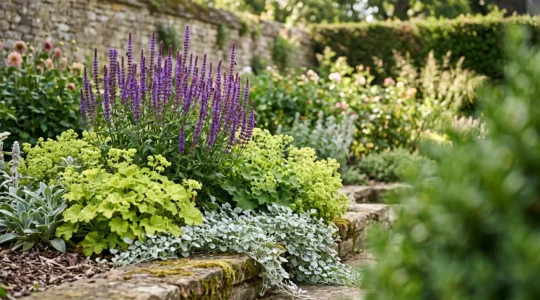
Creating High Visual Contrast: The ‘Thriller, Filler, Spiller’ Rule for Borders
Contrary to popular belief, the ‘Thriller, Filler, Spiller’ rule is not just a simple recipe for containers; it’s a sophisticated compositional framework for creating dramatic visual contrast in any garden border. Effective contrast is built on a painterly understanding of…
Read more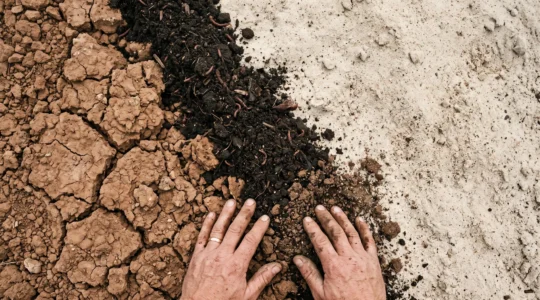
Clay or Sand: Which Organic Amendments Fix Your Soil Type Permanently?
Endlessly adding compost won’t permanently fix your soil because most organic matter is designed to decompose; the real solution lies in building a stable, physical scaffolding within the soil itself. Stable amendments like biochar provide a porous, carbon-rich structure that…
Read more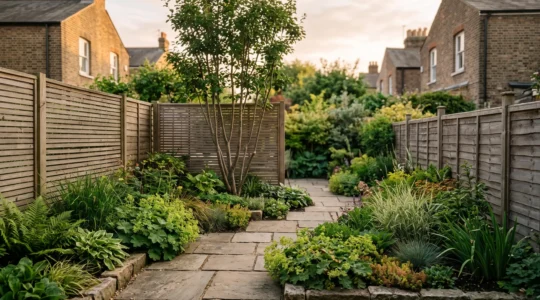
The Art of Illusion: Mastering Spatial Flow in Narrow Terraced House Gardens
The secret to a wider-feeling narrow garden isn’t adding space, but skilfully manipulating perception. Diagonal lines, oversized elements, and obscured views trick the brain into perceiving greater depth and width. Dividing the garden into ‘rooms’ and choreographing sightlines creates a…
Read more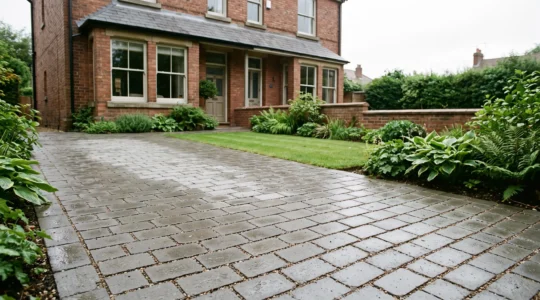
Hardscape Features That Comply With UK Permeable Paving Regulations
Failure to comply with UK drainage regulations is not merely a legal issue; it is a structural engineering failure waiting to happen, with significant financial consequences. The performance and legality of a permeable driveway are dictated by its unseen engineered…
Read more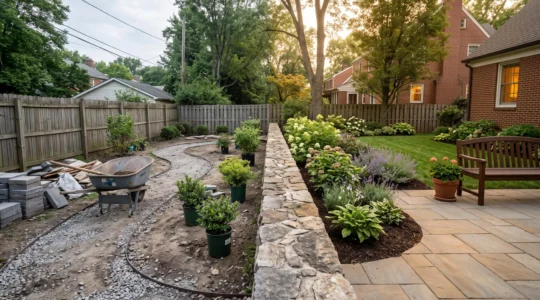
Professional Landscape Design vs DIY: Where to Spend Your Budget?
For a £10k-£20k garden renovation, hiring a landscape designer is not a luxury cost but a crucial financial strategy to protect your investment and maximise property value. A professional master plan de-risks your budget by preventing costly errors in scale,…
Read more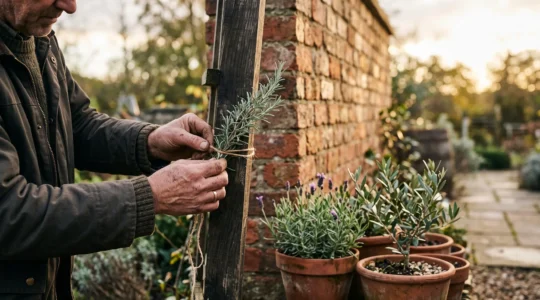
How to Create Microclimate Zones for Mediterranean Plants in Northern England?
In summary: Growing Mediterranean plants in cool climates like Northern England is less about fighting the weather and more about smart permaculture design. Harnessing thermal mass from walls and dark mulches creates ‘heat batteries’ that protect plants overnight. Understanding and…
Read more