Decorative plants
Decorative plants transform ordinary spaces into vibrant, living environments that engage the senses and uplift the spirit. Whether adorning a windowsill, anchoring a garden bed, or creating a focal point in a living room, these botanical companions offer far more than visual appeal. They purify the air we breathe, reduce stress levels, and connect us to the natural world even in the most urban settings.
The world of decorative plants encompasses an astonishing diversity—from delicate ferns that thrive in shaded corners to bold succulents that make architectural statements, from flowering specimens that punctuate seasons with color to evergreen varieties that provide year-round structure. Understanding how to select, care for, and position these plants allows anyone to harness their transformative power, regardless of experience level or available space.
This comprehensive resource explores the fundamental aspects of decorative plants: what defines them, which types suit different environments, how to choose specimens that will thrive in your specific conditions, and the essential care practices that keep them healthy and beautiful. Whether you’re furnishing your first apartment balcony or reimagining an established garden, these insights will help you make informed decisions and cultivate confidence in your plant care abilities.
What Makes a Plant Decorative?
The term decorative plant refers to any species cultivated primarily for its aesthetic contribution rather than food production or other utilitarian purposes. This broad category includes plants valued for striking foliage patterns, vibrant flowers, interesting textures, architectural forms, or seasonal color changes. Unlike agricultural crops, these plants are selected and positioned with visual impact as the primary consideration.
Aesthetic Value and Functional Benefits
Decorative plants serve as living design elements that add dimension, color, and movement to spaces. A variegated pothos cascading from a shelf creates vertical interest, while a clump of ornamental grasses introduces texture and motion to a garden border. These plants can soften hard architectural lines, create privacy screens, define spatial boundaries, or draw the eye toward focal points. Think of them as three-dimensional artwork that changes with seasons and grows more interesting over time.
Beyond aesthetics, many decorative plants offer tangible functional benefits. Studies consistently show that indoor plants can remove volatile organic compounds from air, increase humidity levels, and reduce background noise. A well-placed cluster of broad-leafed plants can lower room temperatures through transpiration, while outdoor ornamentals provide habitat for beneficial insects and wildlife.
Beyond Beauty: Air Quality and Well-being
The psychological benefits of decorative plants deserve equal attention. Research indicates that visible greenery reduces stress markers, improves concentration, and accelerates recovery from mental fatigue. In workspaces, the presence of plants correlates with increased productivity and reduced sick days. This connection operates on both conscious and subconscious levels—our brains appear hardwired to respond positively to living vegetation, a phenomenon some researchers call biophilia.
The therapeutic aspect extends to the act of caring for plants itself. The routine of watering, pruning, and observing growth provides structure, accomplishment, and a meditative focus that many people find grounding. For apartment dwellers or those without garden access, even a modest collection of decorative houseplants can satisfy the human need to nurture and connect with natural cycles.
Popular Types of Decorative Plants
Decorative plants span countless species across numerous plant families, but they generally fall into several broad categories based on their growing requirements and typical uses. Understanding these categories helps narrow the overwhelming array of choices to those most likely to succeed in your specific situation.
Indoor Decorative Plants
Indoor ornamentals must tolerate the relatively low light levels, consistent temperatures, and dry air typical of interior spaces. Popular categories include:
- Foliage plants: Species like pothos, philodendron, snake plants, and Chinese evergreen valued for leaf color, pattern, or form rather than flowers
- Flowering houseplants: African violets, orchids, peace lilies, and begonias that bloom reliably indoors
- Succulents and cacti: Water-storing plants like jade, aloe, and echeveria that thrive with minimal care
- Tropical specimens: Monsteras, fiddle-leaf figs, and bird of paradise that bring exotic appeal to indoor settings
Most successful indoor plants originate from forest understory environments where they evolved to photosynthesize efficiently in filtered light. This evolutionary background makes them naturally suited to the moderate light conditions found near windows or under artificial lighting.
Outdoor Ornamental Varieties
Garden decorative plants include both woody and herbaceous species selected for seasonal interest, form, or flower production:
- Flowering perennials: Plants like hostas, daylilies, and coneflowers that return year after year
- Ornamental shrubs: Hydrangeas, azaleas, and boxwoods that provide structure and seasonal color
- Ornamental grasses: Varieties like fountain grass and maiden grass adding movement and texture
- Annual flowers: Petunias, marigolds, and zinnias offering concentrated color for a single season
Outdoor decoratives must withstand greater temperature fluctuations, variable moisture, and pest pressure compared to their indoor counterparts. Successful outdoor planting requires matching species to your specific climate zone, sun exposure, and soil conditions.
Specialty Categories
Some decorative plants occupy niche categories that appeal to collectors and enthusiasts. Carnivorous plants like Venus flytraps combine visual interest with fascinating biology. Air plants (tillandsias) require no soil and can be mounted on virtually any surface. Bonsai specimens represent the art of training standard trees into miniature forms through careful pruning and root restriction.
Choosing the Right Plants for Your Space
Successful plant selection begins with honest assessment of your growing conditions rather than impulse purchases based on appearance alone. The most beautiful specimen will disappoint if its requirements don’t match your environment.
Start by evaluating available light levels, which typically represent the most limiting factor for indoor plants. South-facing windows receive the most intense light, east-facing windows provide gentle morning sun, west-facing windows deliver hot afternoon light, and north-facing windows offer low, indirect light. Outdoor spaces present similar variation—full sun locations receive six or more hours of direct sunlight, partial shade receives three to six hours, and full shade receives less than three hours daily.
Consider your available time and experience level. Some plants like pothos, snake plants, and ZZ plants tolerate irregular watering and neglect, making them ideal for beginners or busy individuals. Others, like calatheas or gardenias, demand consistent moisture, specific humidity levels, and attentive care. There’s no shame in choosing low-maintenance varieties—a thriving easy plant provides far more satisfaction than a struggling difficult one.
Evaluate practical constraints including:
- Available space and desired mature size
- Temperature ranges in the growing location
- Humidity levels, especially for tropical species
- Presence of pets or children (some decorative plants are toxic if ingested)
- Budget for initial purchase and ongoing care supplies
Many newcomers to decorative plants make the mistake of selecting based solely on appearance, then struggling when the plant’s needs don’t align with their environment. Think of plant selection as matching a living organism to an ecological niche—success comes from compatibility, not determination.
Essential Care Requirements
While specific needs vary dramatically across species, all decorative plants share fundamental requirements for light, water, growing medium, and nutrients. Mastering these basics provides a foundation for success with virtually any ornamental plant.
Light and Positioning
Light intensity determines photosynthetic capacity, which in turn drives all plant growth and health. Insufficient light causes weak, elongated growth (etiolation), leaf drop, and failure to flower. Excessive light, particularly direct sun on shade-adapted species, causes leaf scorch, bleaching, and stress.
Most decorative houseplants fall into three categories: low light species (snake plants, pothos, ZZ plants) that tolerate positions several feet from windows; medium light varieties (most philodendrons, dracaenas, prayer plants) that thrive near east or west windows or a few feet from south windows; and bright light plants (succulents, cacti, many flowering species) requiring direct sun or very close proximity to south-facing windows.
Rotate plants regularly to ensure even growth, and watch for signs of light stress—pale new growth suggests insufficient light, while brown crispy patches indicate too much direct sun. Remember that seasonal changes significantly affect light availability; a position perfect in summer may become too dark in winter when sun angles change.
Watering and Humidity
More decorative plants succumb to watering errors than any other single cause. The common advice to “water weekly” oversimplifies a complex interaction between plant size, pot size, light levels, temperature, and humidity. Instead, learn to water based on soil moisture rather than calendar schedules.
Most tropical foliage plants prefer soil that dries slightly between waterings—the top inch feels dry to the touch, but moisture remains deeper in the pot. Succulents and cacti require more extensive drying. Ferns and moisture-loving species like peace lilies perform best when kept consistently moist but never waterlogged.
Water quality matters more than many people realize. Municipal water containing high chlorine or fluoride levels can cause leaf tip browning in sensitive species. Letting tap water sit overnight allows chlorine to dissipate. Water temperature should approximate room temperature—cold water shocks roots and can cause spotting on leaves.
Humidity requirements separate many decorative plants into distinct care categories. Desert-adapted succulents and cacti tolerate the dry air common in heated homes, while tropical species like calatheas, ferns, and many orchids suffer when humidity drops below 40-50%. Grouping humidity-loving plants together, using pebble trays, or running a humidifier can create suitable microclimates.
Soil and Nutrition
Growing medium provides physical support, moisture retention, drainage, and nutrient availability. Standard potting soil suits many decorative plants, but specialized mixes optimize conditions for particular groups. Cactus and succulent mixes contain additional sand or perlite for rapid drainage. Orchid bark mixes provide the chunky, aerated medium that epiphytic orchids require. African violet mixes balance moisture retention with adequate aeration.
Container plants deplete nutrients faster than their garden counterparts because frequent watering leaches minerals through drainage holes. Most actively growing decorative plants benefit from dilute fertilizer applications during the growing season. A balanced formula (equal nitrogen, phosphorus, and potassium ratios) suits general foliage plants, while bloom-promoting formulas with higher phosphorus support flowering species.
Apply fertilizer at half the recommended strength but twice the frequency—this approach prevents the salt accumulation and root burn that concentrated applications can cause. Reduce or eliminate fertilization during winter dormancy when most plants grow slowly or not at all.
Common Challenges and Solutions
Even with attentive care, decorative plants occasionally face problems. Recognizing symptoms early and understanding their causes allows for effective intervention before minor issues become serious.
Yellowing leaves typically indicate watering issues—either too much or too little. If soil is soggy and roots appear dark and mushy, overwatering is causing root rot. If soil is bone dry and roots look healthy, the plant needs more frequent watering. Some lower leaf yellowing is natural as plants mature and shed older foliage.
Brown leaf tips and edges suggest low humidity, fluoride sensitivity, or salt accumulation from overfertilization. Flushing soil thoroughly with plain water several times yearly prevents mineral buildup. Switching to distilled or rainwater helps fluoride-sensitive species like dracaenas and spider plants.
Pest infestations including spider mites, mealybugs, scale, and aphids occasionally affect indoor and outdoor decorative plants. Regular inspection catches problems early when they’re easiest to control. Isolate affected plants to prevent spread, and treat with insecticidal soap, neem oil, or systemic treatments depending on the pest and plant type.
Leggy, weak growth with elongated spaces between leaves indicates insufficient light. Move the plant closer to a light source or supplement with grow lights. Conversely, bleached or scorched leaves mean too much direct sun—add sheer curtains or move the plant further from windows.
Remember that plants communicate their needs through visible symptoms. Learning to read these signals—the slight droop that indicates thirst, the crispy edges that suggest low humidity, the pale new growth that reveals insufficient light—transforms plant care from guesswork into responsive partnership. Each plant becomes a teacher, and attentive observation builds the intuitive understanding that characterizes experienced growers.
Decorative plants offer accessible entry points into the botanical world, requiring no special equipment or extensive knowledge to begin. Start with one or two species suited to your conditions, observe how they respond to your care, and let success build confidence. The journey from tentative beginner to assured plant parent happens one thriving specimen at a time, creating living beauty that grows alongside your developing skills.

Year-Round Seasonal Colour: Filling the November and February Gaps
In summary: Overcoming the winter garden “dead zone” is less about individual plants and more about strategic design. A strong ‘structural backbone’ of evergreen hedges and architectural shrubs provides a constant stage for winter highlights. Combining sources of colour like…
Read more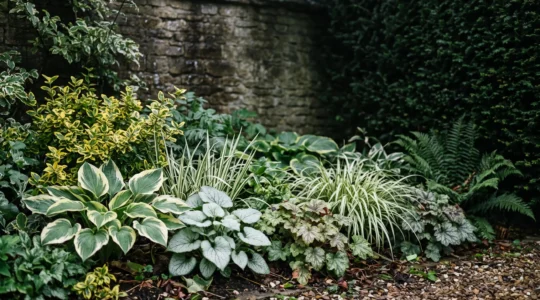
Using Vibrant Variegated Foliage to Light Up North-Facing Gardens
The common struggle with dark, north-facing gardens isn’t a lack of flowering options, but a misunderstanding of how to manipulate light. Instead of just planting what survives, this guide reveals the science behind variegation. By understanding the photosynthetic trade-offs, how…
Read more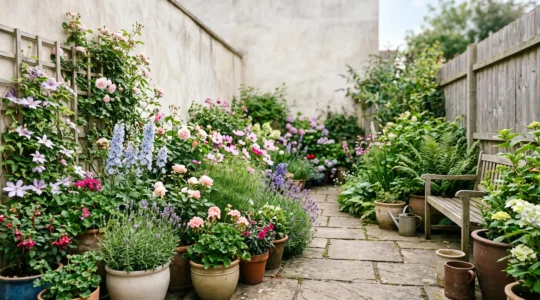
3 Ornamental Cultivar Types That Bloom for 6 Months in Small Gardens
The secret to a six-month floral display isn’t a list of ‘magic’ plants, but understanding the hidden genetic traits that guarantee superior performance. Sterile cultivars redirect their energy from seed production into non-stop flowering, providing colour for months. Stable variegated…
Read more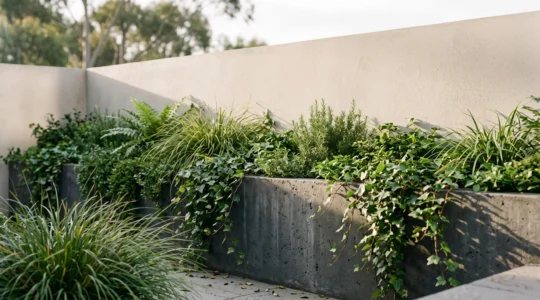
Softscape Vegetation to Soften Harsh Concrete Lines in Modern Builds
The stark beauty of modern architecture often comes at the cost of feeling harsh and sterile; the solution is to treat plants not as a decorative afterthought, but as a final architectural layer. Foliage is a tool to manipulate space…
Read more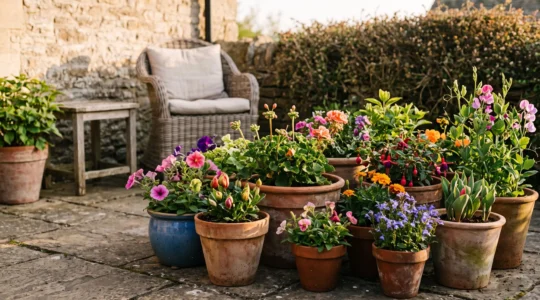
Managing Seasonal Annual Bloom Cycles for Year-Round Colour in Small Patios
Achieving year-round patio colour isn’t about having a ‘green thumb’; it’s about mastering the flow of plant energy and time. Redirecting a plant’s hormonal triggers through precise deadheading forces more flowers. Staggering sowings and layering bulbs creates a continuous, overlapping…
Read more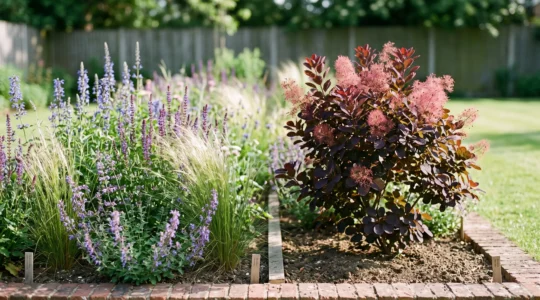
Herbaceous Plants vs. Shrubs: Which Truly Offers Better Value for Small Borders?
The belief that shrubs offer superior ‘value’ through permanent structure in small gardens is a costly misconception. Herbaceous perennials actively build healthy soil through their annual cycle of growth and decay, a crucial benefit for poor-quality new-build soil. Their dynamic…
Read more