Maintenance and care
Creating enriching learning environments at home is only half the journey. The real challenge lies in maintaining these spaces so they remain inviting, safe and genuinely useful day after day. A sensory bin filled with stale rice, a maker-space where no one can find the screwdriver, or an art station buried under three weeks of dried-out paint pots—these aren’t learning environments anymore. They’re sources of frustration that teach children the opposite of what we intended: that exploration leads to chaos, not discovery.
Maintenance and care of active learning spaces isn’t about perfection or Pinterest-worthy photos. It’s about developing sustainable routines that keep materials accessible, spaces functional and children engaged. It means knowing when to rotate sensory materials to prevent boredom, how to store works-in-progress without losing pieces, and which cleaning shortcuts actually save time versus which create more work later.
This resource explores the practical realities of maintaining eight core types of hands-on learning environments: from sensory play stations and spatial development areas to outdoor exploration zones, creative expression spaces, STEM experimentation corners, sustainable craft areas, maker-spaces with real tools, and sound exploration zones. Each requires different maintenance strategies, material management approaches and safety considerations.
Setting Up and Maintaining Sensory Play Environments
Sensory play stations offer some of the richest learning opportunities for young children, engaging multiple senses simultaneously to build neural connections. Yet they’re also among the most maintenance-intensive spaces in a home learning environment. The key is designing systems that acknowledge mess as part of the process whilst containing it strategically.
Material Rotation and Freshness
Sensory materials have shelf lives that many parents underestimate. Rice dyed six months ago loses its vibrant colour and becomes dusty. Playdough left unsealed overnight turns crumbly. Water beads shrink and need replenishing. Establishing a rotation schedule prevents the common trap of offering the same tired materials week after week. A simple approach: maintain three sensory bins in rotation, with one in active use, one being cleaned and refreshed, and one stored for reintroduction in two weeks. This rhythm keeps novelty high without requiring constant purchasing of new materials.
Taste-Safe Considerations for Younger Children
For babies and toddlers still in the oral exploration phase, taste-safe sensory materials aren’t optional—they’re essential. But “taste-safe” doesn’t mean “immortal.” Cooked pasta dries out within hours; oat-based cloud dough can develop mould if stored incorrectly. Single-session materials made from kitchen ingredients require more frequent preparation but offer peace of mind. The maintenance trade-off is time: budget 10 minutes before each play session for preparation, and designate clear storage containers marked “taste-safe” to avoid cross-contamination with non-edible materials.
Quick-Clean Containment Strategies
The splash zone that takes an hour to clean teaches parents to avoid water play, not how to facilitate it. Effective containment transforms maintenance. A large shallow tray catches most spills. A shower curtain under the play area wipes clean in seconds. Designated sensory clothing—an old oversized t-shirt kept by the station—eliminates the anxiety of ruined outfits. Position the station near a bathroom or kitchen for easy access to cleaning supplies, and keep a small handheld vacuum nearby for dry materials like kinetic sand. These small setup decisions reduce cleanup time from overwhelming to manageable, making sensory play a regular possibility rather than a special-occasion ordeal.
Outdoor Learning Spaces and Nature Connection
Outdoor environments offer sensory richness no indoor space can replicate, but they require different maintenance thinking. Rather than controlling the space itself, outdoor learning maintenance focuses on readiness routines: having the right gear accessible, establishing respectful interaction patterns with nature, and creating systems to bring outdoor discoveries inside productively.
Gear Management and Weather Readiness
The barrier to outdoor exploration is often logistical, not motivational. Finding matching gloves, locating waterproof trousers, or discovering the winter coat has been outgrown—these friction points kill outdoor momentum. Designate a “go bag” system: one rucksack containing core outdoor kit that lives by the door. Include: a compact first-aid kit, spare socks, a lightweight waterproof layer, sunscreen, and a reusable water bottle. For winter specifically, assess thermal layers versus all-in-one snowsuits based on activity duration—thermals offer better temperature regulation for active play lasting over an hour, whilst snowsuits work well for shorter, less mobile outings. Check and rotate this bag seasonally, treating it as essential maintenance rather than an optional task.
Respectful Nature Interaction and Collection Guidelines
Scavenger hunts risk teaching children that nature exists for taking. The maintenance challenge here is cultural: establishing family norms around observation versus collection. Implement a “photograph don’t pick” rule for living plants and flowers. For fallen items—leaves, seedpods, feathers—discuss responsible limits: collect only what you’ll actually use, leave plenty for wildlife and other explorers. Maintain a designated “nature finds” basket at home with a one-in-one-out policy to prevent accumulation. This teaches curation skills whilst keeping nature collections from becoming clutter. Regular review sessions—monthly works well—let children decide which treasures to keep long-term and which to return to outdoor spaces.
Creative Expression Areas and Art Material Management
Art spaces fail not from lack of materials but from material overwhelm. When children face 47 dried-up markers, 12 half-used glue sticks and a tangled mountain of ribbon, decision paralysis replaces creative flow. Maintaining an art area means aggressive curation: fewer, fresher, well-organised materials consistently outperform chaotic abundance.
The “Invitation to Create” Station Approach
Rather than permanent access to all art supplies, consider a rotation system using invitation stations. Set out a carefully curated selection of 5-7 materials that suggest possibilities without prescribing outcomes: perhaps watercolours, thick brushes, and textured paper one week; clay, sculpting tools, and natural objects the next. This approach dramatically reduces maintenance burden—you’re only managing a small subset of materials at any time—whilst increasing engagement through novelty. Store the broader material collection in categorised boxes (“painting supplies,” “collage materials,” “drawing tools”) that you rotate weekly or fortnightly based on the child’s interests and developmental focus.
Art Storage Without Fridge Clutter
Children’s artwork multiplies exponentially, and the fridge-as-gallery model collapses under volume. Establish a three-tier system: display rotation (3-5 pieces changed weekly), a portfolio box for pieces worth keeping, and a photograph archive for everything else. The hardest maintenance skill is letting go—photograph artworks in good light, then recycle the originals. For three-dimensional pieces, take photos from multiple angles. Create a simple digital folder organised by year, and consider an annual photo book as a curated keepsake. This system honours the creative process whilst preventing paper avalanches, and teaches children that value isn’t measured by physical accumulation.
STEM and Maker-Space Organisation
STEM exploration and maker activities generate the most complex maintenance challenges because they involve ongoing projects, mixed materials and real tools. The space must balance accessibility with safety, encourage experimentation whilst managing chaos, and preserve works-in-progress without surrendering the entire house to half-built inventions.
Experiment Materials and Seasonal Matching
STEM kits and exploration materials stay relevant when they connect to children’s current observations. Garden-based science thrives in spring and summer; crystallisation experiments suit winter’s colder temperatures; decomposition studies align with autumn’s falling leaves. Maintain a seasonal rotation of investigation materials rather than keeping everything accessible year-round. This approach keeps experiments timely and reduces storage overwhelm. Designate clear containers for each season’s materials, and use the rotation moments—four times yearly—to assess what worked, replenish consumables like pH strips or magnifying glasses, and retire equipment that’s been ignored for multiple cycles.
Upcycled Material Collection Without Hoarding
Cardboard tubes, yoghurt pots, bottle caps—these “beautiful junk” materials offer extraordinary creative potential, but collecting them risks transforming your home into a recycling centre. Implement strict parameters: designate one specific container (a medium moving box works well) for collected materials. When it’s full, it’s full—no overflow allowed. Before adding new items, ask: “Is this clean, safe, and actually useful?” Egg cartons seem endlessly versatile until you have 30 of them. Monthly audits keep the collection curated: if something hasn’t been used in six weeks, it probably won’t be. Items made from mixed materials (plastic windows in cardboard boxes) actually complicate recycling, so prioritise single-material items that maintain their recyclability.
Managing Works-in-Progress
Half-finished marble runs, partially constructed cardboard cities, ongoing electronics experiments—these projects represent genuine learning but can colonise living spaces. Create a designated “works-in-progress zone” with clear parameters: projects can remain active for a defined period (one week is reasonable), after which they’re either completed, photographed and dismantled, or consciously extended for another defined period. Use lidded boxes or trays so projects can be moved if space is needed, keeping pieces contained. Label each project box with the start date and child’s name. This system validates ongoing work whilst preventing the drift into permanent clutter. For particularly complex builds, take progress photos—they’re useful for reconstruction if the project must be temporarily dismantled, and they document the learning process beautifully.
Sound and Musical Exploration Zones
Auditory experimentation offers powerful learning—rhythm supports mathematical thinking, pitch exploration develops listening discrimination, and instrument creation combines engineering with artistic expression. The maintenance challenge is managing noise tolerance whilst preserving genuine musical exploration. A “kitchen orchestra” created at 7:30 AM tests family harmony alongside musical harmony.
Designate specific times for louder sound exploration—many families find after-school or late morning works well. For apartment living or noise-sensitive situations, invest in a few quality rhythm instruments with volume control: a small djembe with a dampening pad, shaker eggs, a tambourine. These offer richer learning than pots and wooden spoons whilst remaining neighbour-friendly. Teach the distinction between sound (intentional, varied, musical) and noise (repetitive, thoughtless, chaotic) through active listening exercises—play a rhythm pattern and ask children to replicate it, focusing attention on the qualities of sound rather than just its volume.
Storage for sound exploration materials should prioritise accessibility without constant visibility. A lidded basket or drawer keeps instruments protected from dust and accidental damage whilst remaining easy to access during designated music times. Rotate instruments similarly to other learning materials—having three options available generates more focused exploration than overwhelming choice. Include homemade instruments (rice shakers in sealed containers, rubber-band guitars on tissue boxes) alongside purchased ones, and maintain them with the same care: check shakers haven’t split, tighten drum skins if adjustable, replace broken rubber bands. This communicates that homemade creations deserve the same respect as shop-bought items.
Maintaining active learning environments is fundamentally an act of respect—for children’s capacity to engage deeply, for your own sustainability as a facilitator, and for the materials themselves. The goal isn’t pristine spaces that discourage use, but functional systems that enable repeated engagement. When sensory bins are fresh, tools are findable, art materials are accessible, and outdoor gear is ready, you remove the friction that makes hands-on learning feel like a burden. These maintenance routines—material rotation, strategic storage, regular curation, and realistic cleanup systems—transform learning spaces from occasional special events into the everyday fabric of childhood. The investment is time and attention, but the return is children who see their home as a place where curiosity is not just welcomed but actively sustained.
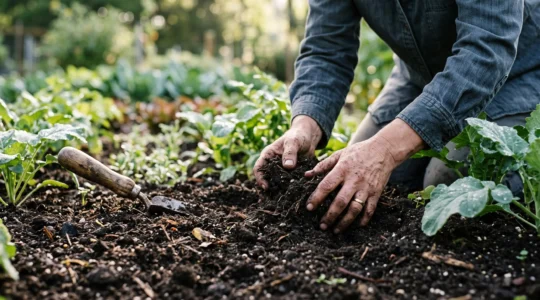
Correcting Soil pH Acidity Without Synthetic Chemicals?
Contrary to popular belief, you can’t permanently acidify alkaline soil with coffee grounds or pine needles. The real key to growing acid-loving plants in the wrong soil type isn’t a constant battle with amendments, but understanding your soil’s core chemistry….
Read more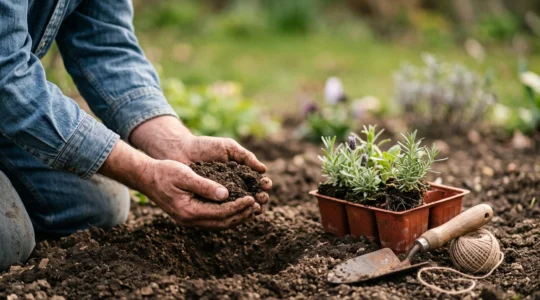
How to Test for Well-Drained Soil Before Planting Expensive Herbs?
The recurring death of Mediterranean herbs in damp climates is not a sign of poor gardening, but a failure of soil physics that generic advice overlooks. Most “well-drained soil” is not well-drained enough for plants like lavender, which require a…
Read more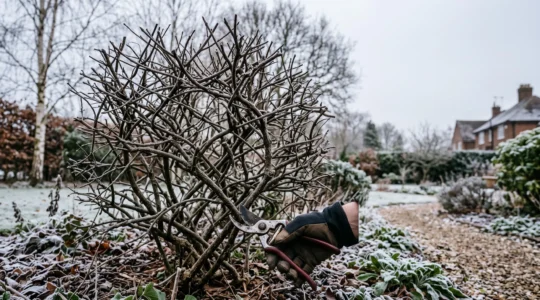
Corrective Pruning: How to Fix a Neglected Shrub
In summary: Restoring a neglected shrub is a multi-year process; patience is key. Start by removing up to one-third of the oldest, thickest stems from the base. Always work with clean, sterilized tools to prevent the spread of devastating diseases…
Read more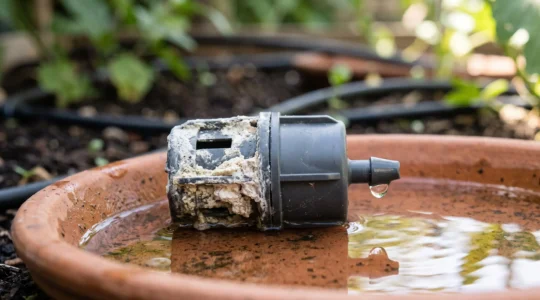
Cleaning Drip Emitters: An Engineer’s Guide to Removing Limescale in Hard Water
In summary: Persistent clogging in hard water areas is best solved by dissolving limescale with a mild acid like citric acid, not just vinegar. Prevent blockages by installing filters, flushing lines regularly, and choosing “take-apart” emitters designed for maintenance. Understand…
Read more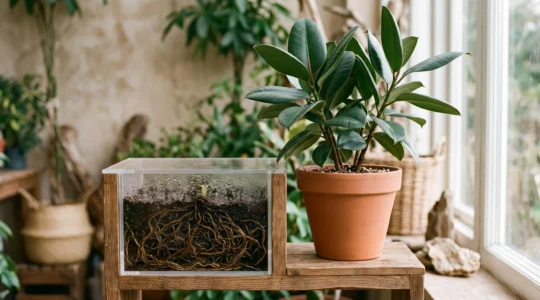
Assessing Plant Health: 3 Visual Signs of Root Stress Before Leaves Yellow
Contrary to popular belief, a yellow leaf is not a warning sign; it’s a final cry for help from a plant whose real problems started weeks ago at the roots. Most visual cues on leaves, like chlorosis or spots, are…
Read more